Flying Geese Block Pattern

There’s something truly special about the Flying Geese block. It’s one of those classic quilt elements that has stood the test of time, appearing in both traditional heirloom quilts and modern designs. As a quilter, I find this block incredibly satisfying to make because it combines precision, movement, and endless design possibilities. Whether you’re creating a border, a full quilt, or adding dynamic accents to your layout, Flying Geese blocks bring energy and direction to any project.

Another reason I love working with Flying Geese is how versatile they are. You can play with color placement to create motion soft pastels for a gentle look, bold contrasts for dramatic impact, or scrappy fabrics for a cozy, vintage feel. This block is also perfect for using leftover fabric pieces, something many of us appreciate when managing our fabric stash. Over the years, it has become one of those go-to blocks I return to again and again because it never goes out of style.

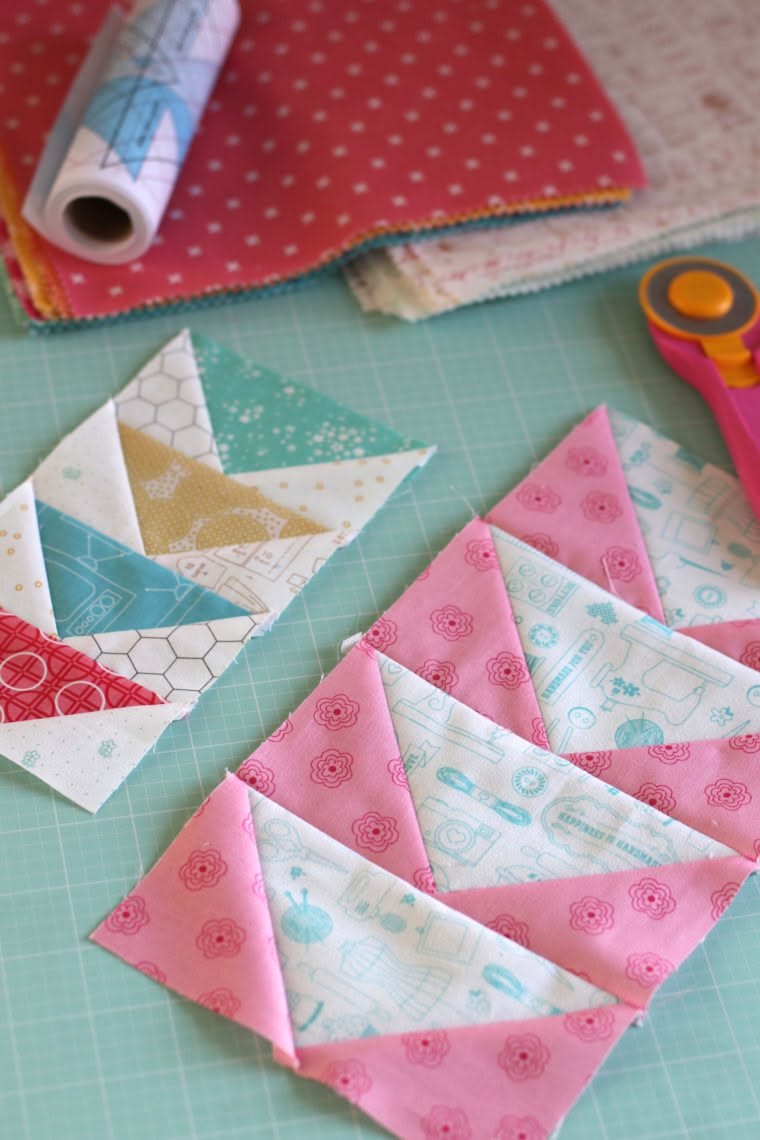
The Flying Geese block is a rectangular unit made up of one large triangle (the “goose”) and two smaller triangles (the “sky”) on either side. When multiple units are placed together, they create the illusion of geese flying in formation hence the charming name.

Flying Geese Block Pattern

This block is widely used in quilt borders, rows, and even entire quilt tops. It pairs beautifully with many other traditional blocks such as stars, log cabins, and chains, making it a staple in quilting patterns across generations.

One of the most enjoyable parts of making Flying Geese blocks is selecting fabrics that highlight the movement of the design. Because the block naturally creates direction, color contrast plays a big role in the final look. I always recommend choosing one fabric that stands out as the “goose” and another that recedes slightly as the “sky.”

For a traditional quilt, classic color combinations such as red and cream, navy and white, or burgundy and tan work beautifully. If you prefer a modern style, try bold solids or high-contrast prints. Scrappy fabrics are also a wonderful option, especially if you have leftover pieces from previous projects. This is a great way to create a quilt that feels warm, personal, and full of memories.

Flying Geese blocks can be made in many different sizes depending on your project. Here are some of the most common finished sizes used by quilters:

  • 2″ x 1″ – miniature quilts and detailed designs
  • 4″ x 2″ – table runners and small projects
  • 6″ x 3″ – standard quilt blocks
  • 8″ x 4″ – large quilts and modern layouts

Remember that the unfinished size will always be slightly larger to allow for seam allowances. Taking a moment to measure carefully before sewing will help your blocks fit together perfectly.

Pressing Tips for Perfect Flying Geese

Pressing is one of those small steps that makes a huge difference in the final result. Many quilters underestimate how important proper pressing can be, but it truly affects the accuracy of your blocks.

Here are a few pressing tips I’ve learned over the years:

  • Press seams toward the small triangles to reduce bulk
  • Use steam carefully to avoid stretching the fabric
  • Press, don’t iron — lift and lower the iron instead of sliding it
  • Allow the fabric to cool before moving it

These simple habits help keep your Flying Geese blocks flat and precise, making the quilting process much smoother.

Layout Ideas for a Flying Geese Quilt

Flying Geese units can be arranged in countless ways. Changing the direction of the triangles can completely transform the look of your quilt. This flexibility is one of the reasons the pattern remains so popular among quilters of all skill levels.

Here are a few layout ideas to consider:

  • Rows pointing in the same direction
  • Zigzag or chevron layout
  • Diamond layout
  • Border design around a quilt
  • Radiating center design

Experimenting with layout is one of the most creative parts of quilting, and Flying Geese blocks make it easy to try new designs.

Free PDF Pattern

To make your quilting experience even easier, I will provide a free printable PDF pattern for the Flying Geese Block at the end of this article. The PDF will include:

  • Step-by-step cutting instructions
  • Clear measurements
  • Beginner-friendly diagrams
  • Tips for accurate piecing
  • Printable reference guide

Having a downloadable pattern is especially helpful when working at your sewing machine, and it’s something many quilters appreciate keeping in their project folders.

PDF pattern

The Flying Geese Block Pattern is a timeless quilting favorite that every quilter should have in their skill set. It’s simple enough for beginners to learn, yet versatile enough to inspire endless creativity. Whether you’re stitching a traditional quilt or experimenting with modern layouts, this block delivers movement, structure, and visual interest in every project.
You might also be interested

Antelope Canyon Quilt Pattern

Antelope Canyon Quilt Pattern

The Antelope Canyon Quilt is a breathtaking design inspired by the natural curves and glowing colors...

Spring Blooms Quilt Block

Spring Blooms Quilt Block

The Spring Blooms quilt block is a beautiful celebration of the season of renewal. Inspired by...

Cherry Quilt Free Pattern

Cherry Quilt Free Pattern

The Cherry Quilt is a delightful and playful design that instantly brings a sense of freshness and...

Bear Paw Classic Block Free Pattern

Bear Paw Classic Block Free Pattern

The Bear Paw Classic Block is one of the most beloved traditional quilt blocks in American quilting...

You Are Here:

We use cookies to offer you the best experience on our website. By continuing to browse, you confirm that you accept these terms.